
Quarterback is one of the easiest positions to overpay for in fantasy football drafts.
Everyone knows the elite names. Josh Allen, Lamar Jackson, Drake Maye, Joe Burrow, Jayden Daniels, Jalen Hurts, and Caleb Williams are expensive for a reason.
But the real draft edge often comes when you can wait at quarterback and still find a player with a realistic path to beating cost.
If you hit on the right mid-to-late quarterback, the rest of your roster gets stronger. You can attack running back earlier, load up at wide receiver, grab an elite tight end, and still end up with useful quarterback production.
That is the quarterback breakout game.
You are not just looking for a player who can improve.
You are looking for a quarterback whose ceiling is higher than his draft cost.
For 2026 fantasy football drafts, four names stand out:
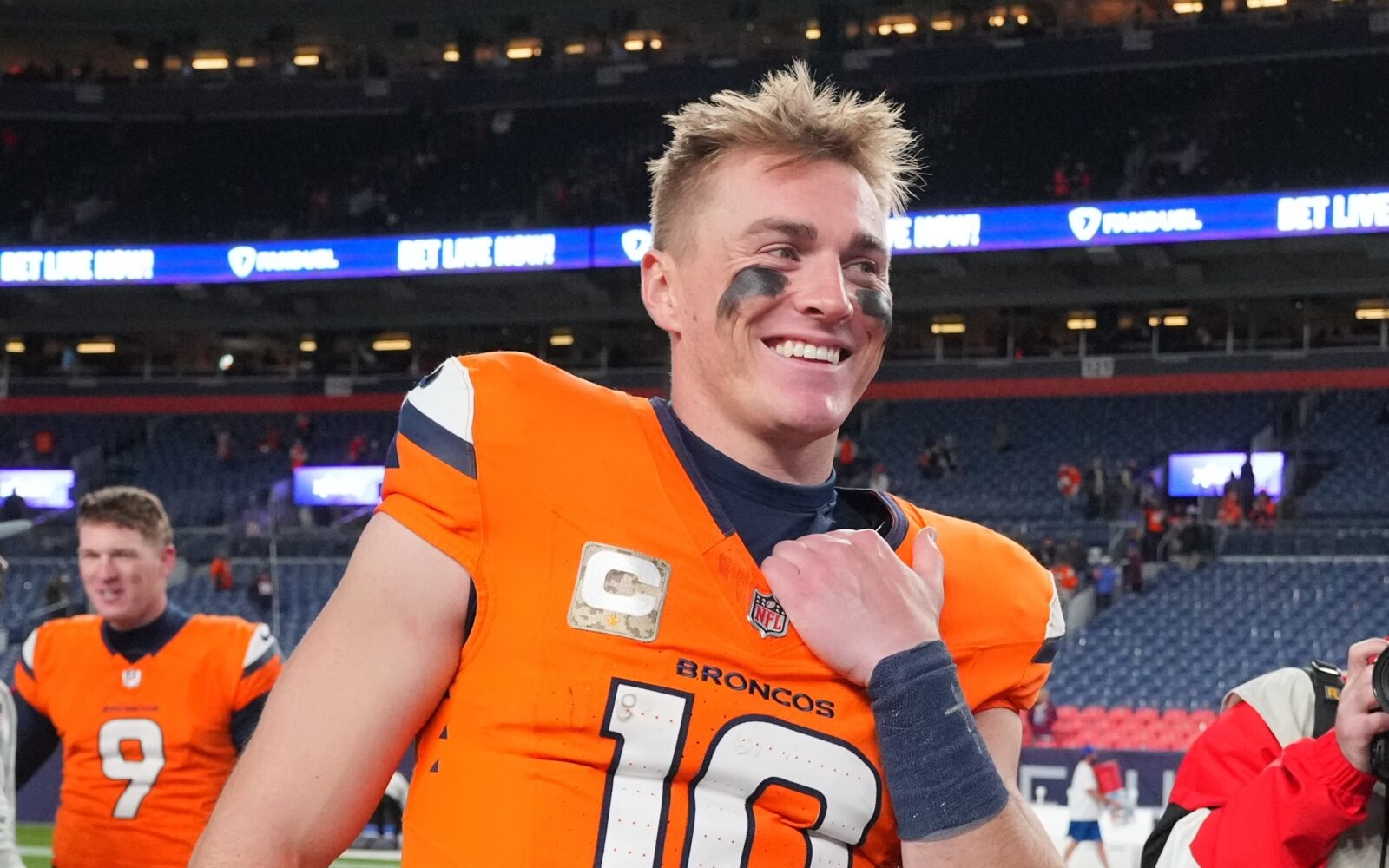
Bo Nix.
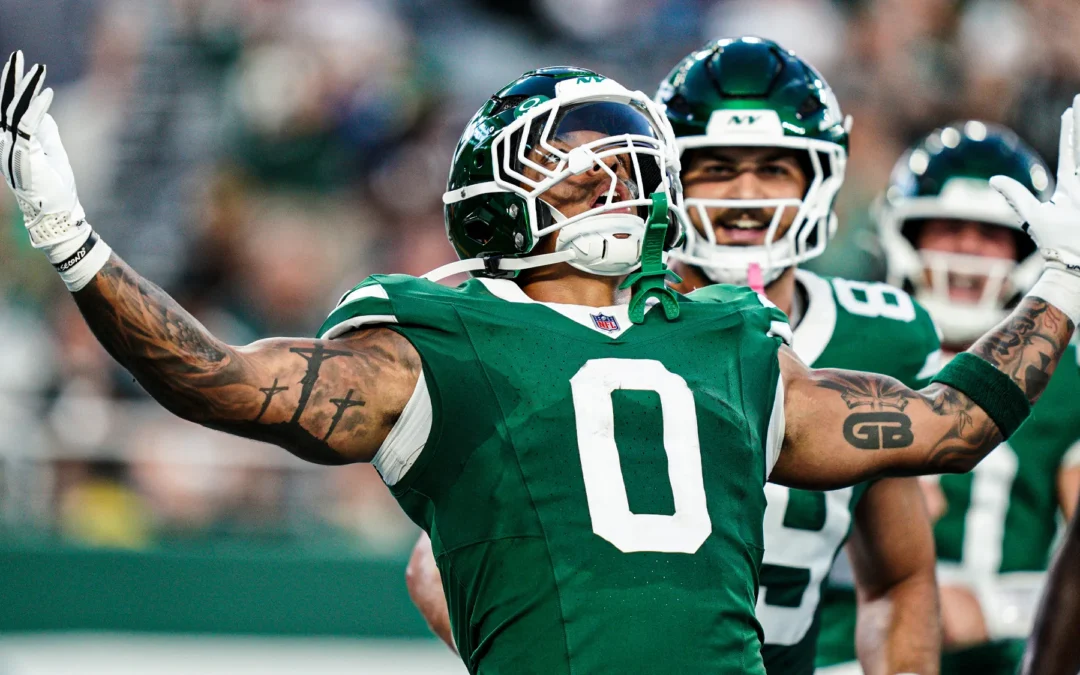
Tyler Shough.
Cam Ward.
Jordan Love.
None of them are perfect. That is why they are affordable.
But all four have a real path to becoming fantasy football values in 2026.
What Makes a Fantasy Quarterback Breakout?
A quarterback breakout does not have to mean becoming the QB1 overall.
Sometimes it means jumping from QB15 to QB8. Sometimes it means going from a streaming option to a weekly starter. Sometimes it means giving you most of the elite quarterback production at a much cheaper draft cost.
That is the goal.
The best breakout quarterbacks usually have a few things working in their favor: rushing production, improved weapons, Year 2 or Year 3 development, better play-calling, offensive continuity, touchdown upside, previous flashes, or an ADP that does not fully price in the ceiling.
The goal is not to draft a quarterback late just because he is cheap.
The goal is to draft a quarterback whose price does not match his path to upside.
1. Bo Nix, Denver Broncos
Bo Nix might be the cleanest breakout candidate in this group.
That sounds strange because he has already been productive, but that is exactly what makes his price interesting.
Nix is currently being drafted as the QB14 in Sleeper drafts, despite already proving he can finish as a fantasy QB1. The market is not treating him like a quarterback who has already delivered useful production. It is treating him like a backend QB2 who still has everything to prove.
That may be too cautious.
Nix finished as a top-10 fantasy quarterback in each of his first two NFL seasons, played all 17 games both years, and now gets an upgraded Denver receiving corps with Jaylen Waddle joining Courtland Sutton and Pat Bryant.
That combination matters.
He does not need to become an elite passer to beat his current price. He needs to remain a useful runner, take a modest step forward as a passer, and benefit from a more explosive group of weapons.
That is not asking for a miracle.
The rushing production is especially important. Nix does not need to run like Lamar Jackson or Jayden Daniels. Even 300-plus rushing yards and a few rushing touchdowns can separate him from the pocket passers in the same draft range.
The case for Nix is simple:
He is being priced like a question mark even though he has already shown the answer can be good enough.
If the passing efficiency improves and the rushing production sticks, Nix can easily beat QB15 cost.
2. Tyler Shough, New Orleans Saints
Tyler Shough is exactly the type of quarterback fantasy managers are slow to trust.
He is not a massive name. He does not carry the same brand value as former top prospects. He plays for a Saints offense that still has to prove it can become a reliable fantasy environment.
But the late-season production was much more interesting than the market seems to realize.
Shough is currently listed as the QB19 in Sleeper drafts. That is cheap enough to matter.
The early rookie stretch was rough. He scored 4.32 fantasy points in his Week 8 takeover and 9.24 in his first start the following week. But once he settled into the job, the production changed. From Week 10 on, Shough averaged 18.05 fantasy points per game, eighth among quarterbacks over that span.
That is the key.
We are not talking about a quarterback with no evidence. We are talking about a young starter who looked much more comfortable once he got real reps.
The Saints also gave him more help. New Orleans added Travis Etienne to pair with Alvin Kamara, drafted wide receiver Jordyn Tyson, and already has Chris Olave and Juwan Johnson in the passing game.
That gives Shough a real path.
If he keeps the starting job, maintains even a portion of the late-season production, and benefits from a better offensive ecosystem, he can beat QB20 cost.
The risk is obvious. We still do not know if Shough is a long-term franchise quarterback. We do not know if the Saints offense will be consistent. We do not know if the late-season stretch was a preview or a small-sample spike.
But at his current price, we do not need certainty.
We need upside.
And Shough has enough of it to be one of the better cheap quarterback bets in 2026.
The case is not that Tyler Shough is guaranteed to break out.
The case is this:
Why is a quarterback who averaged top-eight production down the stretch being drafted outside the top 18 quarterbacks?
That is the buying window.
3. Cam Ward, Tennessee Titans
Cam Ward is the biggest upside swing on this list.
He is also the cheapest.
That is why he is interesting.
Ward is currently the QB24 in Sleeper drafts, which puts him outside the normal starter range in most one-quarterback leagues. At that price, he is a low-risk bet with a real payoff if the Year 2 leap happens.
The rookie season was not great overall. That is why the market is not excited.
But there were late-season flashes. Ward averaged 15.29 fantasy points per game over his final month and threw two touchdown passes in four straight contests.
That matters because rookie quarterbacks often look messy before the game slows down.
The bigger 2026 case is tied to development and supporting cast improvement. Tennessee improved Ward’s weapons with Carnell Tate and Wan’Dale Robinson, giving him a better environment for Year 2.
That is exactly what fantasy managers should want from a late quarterback bet.
A young passer. A full year of starting experience. Improved weapons. Cheap ADP. Enough late-season signal to believe the second year could look different.
Ward does not need to become a superstar for this pick to work.
At QB24, he simply needs to become startable.
If he takes a second-year step and the Titans offense becomes more functional, he can jump multiple quarterback tiers quickly.
Most quarterbacks drafted in his range are low-upside placeholders. Ward still has draft-capital pedigree, youth, and a plausible development arc.
The risk is that the rookie struggles were real and the Titans offense remains inconsistent.
But the price already reflects a lot of that risk.
When a young quarterback with late-season flashes and improved weapons is being drafted like an afterthought, that is exactly the kind of bet fantasy managers should be willing to make.
4. Jordan Love, Green Bay Packers
Jordan Love is the boring breakout candidate.
That is not an insult.
Sometimes boring is good.
Love is currently being drafted as the QB17 in Sleeper drafts, behind several quarterbacks with similar or lower ceilings. That price feels low for a player who has already shown top-five fantasy upside.
The market hesitation makes sense.
Green Bay has questions. The offensive line needs to hold up. The receiving corps needs to stay healthy. The Packers also need to let Love throw enough for the fantasy production to match his efficiency.
But that is where the value comes from.
Love may simply be better than his fantasy finish suggests.
A quarterback-by-committee breakdown from 4for4 noted that Love graded extremely well last season, with a 98th-percentile EPA per dropback and 96th-percentile completion percentage over expected. His QB13 overall finish may have undersold the profile because early exits due to injury hurt his per-game average, and he already delivered a top-five fantasy finish in 2023.
If Green Bay increases its pass rate even slightly and Love stays healthy, the gap between real quarterback quality and fantasy output could close quickly.
That makes him one of the better late quarterback values.
He is not as exciting as Cam Ward. He does not have the same late-season breakout signal as Shough. He does not have the rushing profile of Nix.
But he may be the best pure passer value of the group.
At QB17, Love does not need everything to go right. He just needs the Packers to lean into the passing game a little more and allow his efficiency to turn into fantasy points.
That is a reasonable bet.
How to Draft These Breakout Quarterbacks
These four quarterbacks are not the same type of pick.
That matters.
Bo Nix is the safest value. He has already produced as a fantasy QB1, gives you some rushing production, and now has more explosive weapons. If he is still available in the QB15 range, he is the cleanest target.
Tyler Shough is the late-season signal bet. He was much better after settling into the starting job, and the Saints improved the supporting cast around him. The question is whether that stretch carries into 2026.
Cam Ward is the cheap upside bet. He costs almost nothing in one-quarterback drafts, but a Year 2 leap with better weapons could make him relevant quickly.
Jordan Love is the efficiency bet. The advanced passing profile is strong, the price is low, and the question is whether Green Bay gives him enough volume to matter.
The right pick depends on your build.
If you want the safest delayed quarterback, Nix is the priority.
If you want late-round upside with some real production already shown, Shough makes sense.
If you want the cheapest swing, Ward is the target.
If you want a discounted passer tied to a potentially efficient offense, Love is the value.
The StatChasers Quarterback Breakout Checklist
Before drafting any mid-to-late quarterback, ask five questions.
Can he add fantasy points with his legs?
Did the offense improve?
Has he already shown a ceiling?
Is the price still reasonable?
What happens if he misses?
That last question matters.
If you wait on quarterback, make sure the opportunity cost is low enough that you can pivot if the bet fails.
The Final Verdict
You do not need to draft an elite quarterback early to win your fantasy football league. But if you wait, you need to be intentional.
Bo Nix, Tyler Shough, Cam Ward, and Jordan Love all offer different paths to beating their 2026 draft cost.
Nix already has QB1 production and now gets more receiving help.
Shough showed top-eight production after settling into the Saints’ starting job.
Ward is a cheap Year 2 leap bet with improved weapons.
Love has stronger underlying efficiency than his fantasy price suggests.
None of them are guaranteed league-winners. But all four are being drafted at prices that leave room for profit. That is the quarterback edge.
Do not draft a late quarterback just because he is cheap. Draft the quarterback whose cost does not match his ceiling.
That is how you turn a delayed quarterback pick into a real fantasy football advantage.